Building a wall may seem straightforward, but creating the perfect wall assembly involves careful planning, the right materials, and attention to detail. This guide will explore the essential components of an ideal wall assembly, ensuring structural integrity, energy efficiency, and aesthetic appeal…
1. Understanding Wall Types
Before diving into the components, it’s important to recognize the different types of walls:
- Load-Bearing Walls: Support weight from above and require more robust materials.
- Non-Load-Bearing Walls: Serve as partitions and can be built with lighter materials.
- Curtain Walls: A type of non-load-bearing wall, typically used in commercial buildings.
2. Key Components of Wall Assembly
A. Framing
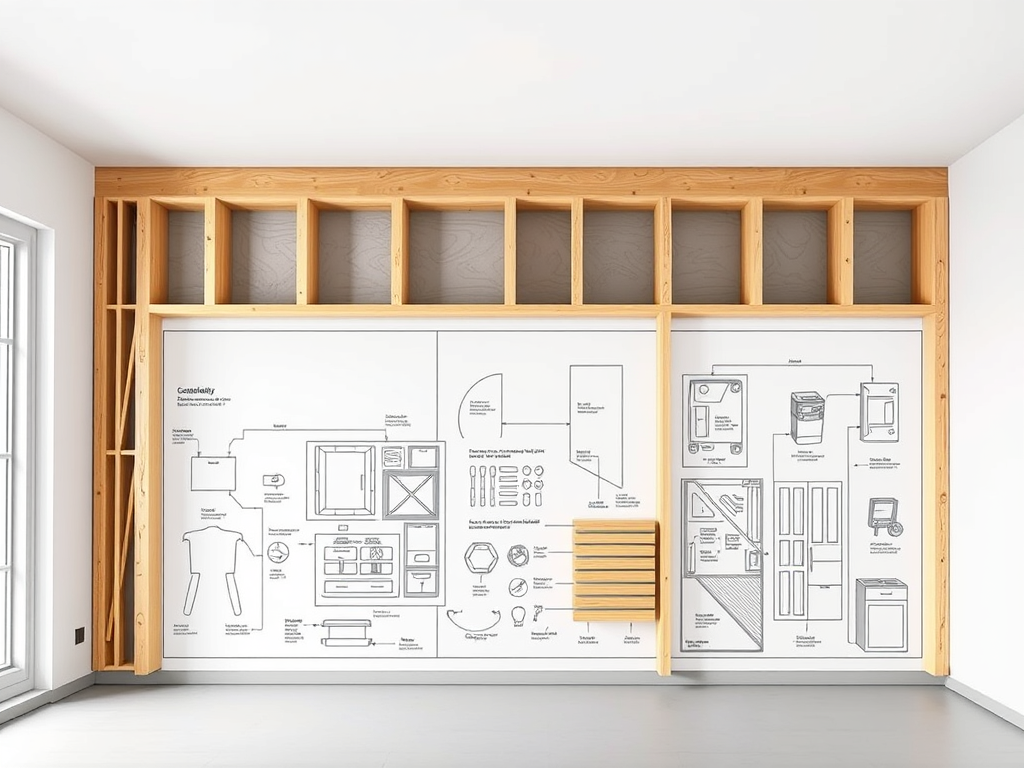
- Material: Typically wood or steel, framing provides the structure of the wall. Choose treated lumber or galvanized steel for durability.
- Stud Placement: Standard spacing is 16 inches on center, but adjustments may be necessary for specialized installations.
B. Insulation
- Material: Various options include fiberglass batts, foam boards, and spray foam. Select based on climate, budget, and energy efficiency goals.
- R-Value: Ensure the insulation has a suitable R-value for your region to maximize energy efficiency.
C. Air and Vapor Barriers
- Air Barrier: Prevents air leaks which can lead to energy loss; typically, it’s a house wrap or an applied membrane.
- Vapor Barrier: Helps in moisture control, particularly in humid climates. It’s usually installed on the warm side of the insulation.
D. Sheathing
- Material: Plywood or oriented strand board (OSB) provides structural support and adds a layer of insulation.
- Installation: Ensure proper nailing patterns and staggering seams for strength.
E. Exterior Cladding
- Options: Wood, vinyl, brick, and fiber cement are popular choices. Each provides different aesthetics and maintenance levels.
- Considerations: Factor in local building codes, weather resistance, and personal preference.
3. Installing the Wall Assembly
A. Preparation
- Site Assessment: Check for level ground and any necessary permits.
- Tools: Ensure you have the right tools, including a level, measuring tape, and nail gun.
B. Assembly Steps
- Construct the Frame: Build the wall frame on the ground for easier access.
- Install Insulation: Place insulation within the framed structure.
- Add Sheathing: Secure the sheathing to the outside of the frame.
- Apply Barrier: Install air and vapor barriers as needed.
- Finish with Cladding: Attach the chosen exterior material.
4. Final Considerations
- Thermal Bridging: Pay attention to how materials connect to prevent heat loss.
- Moisture Management: Regularly inspect and maintain to avoid mold and rot.
- Aesthetic Touches: Consider adding trim, paint, or decorative elements to complete the look.
Conclusion
Creating the perfect wall assembly requires knowledge, quality materials, and careful attention to detail. By following these guidelines, you can ensure that your walls are not only structurally sound but also energy-efficient and visually appealing. Whether you are building a new home or renovating an existing space, investing time and resources into your wall assembly will pay off in comfort and longevity.


Antworte auf den Kommentar von Obie Tester Antwort abbrechen